My love letter to Notting Hill and its colourful houses
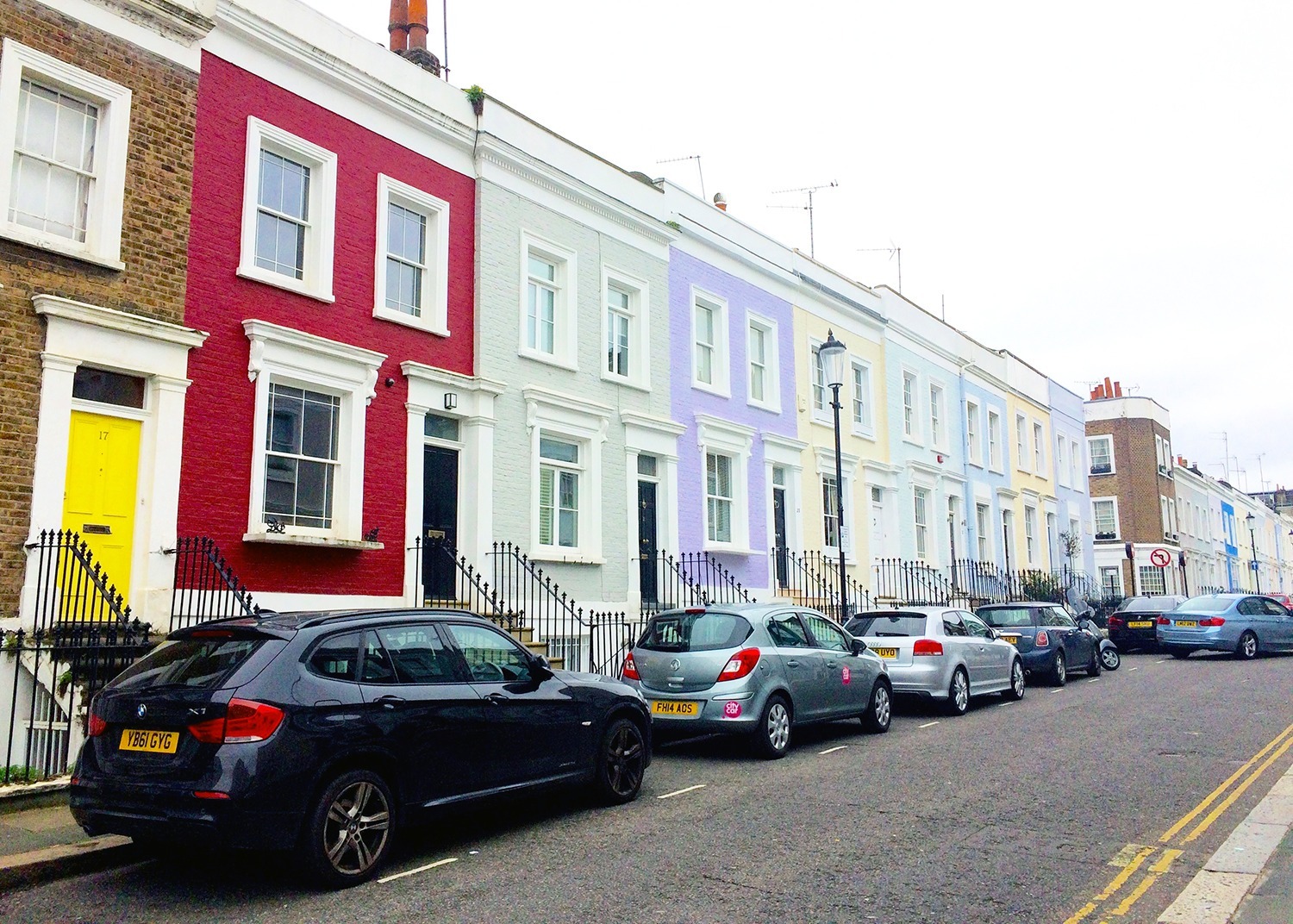
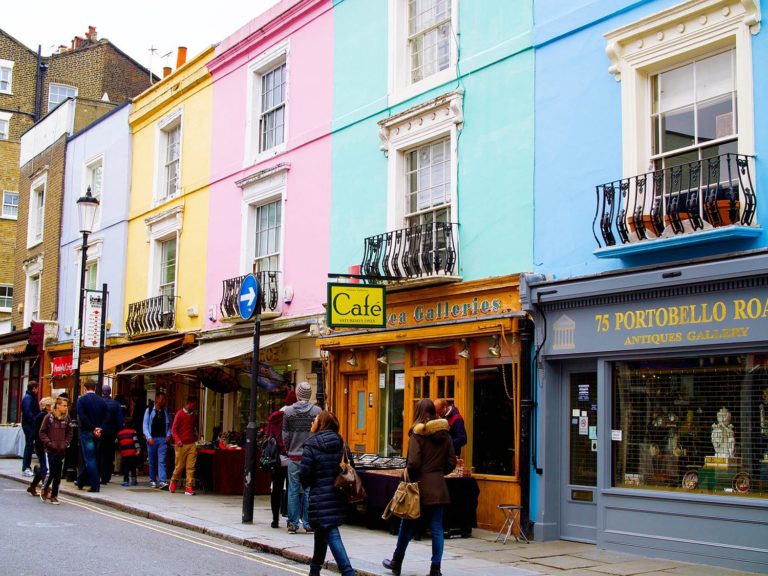
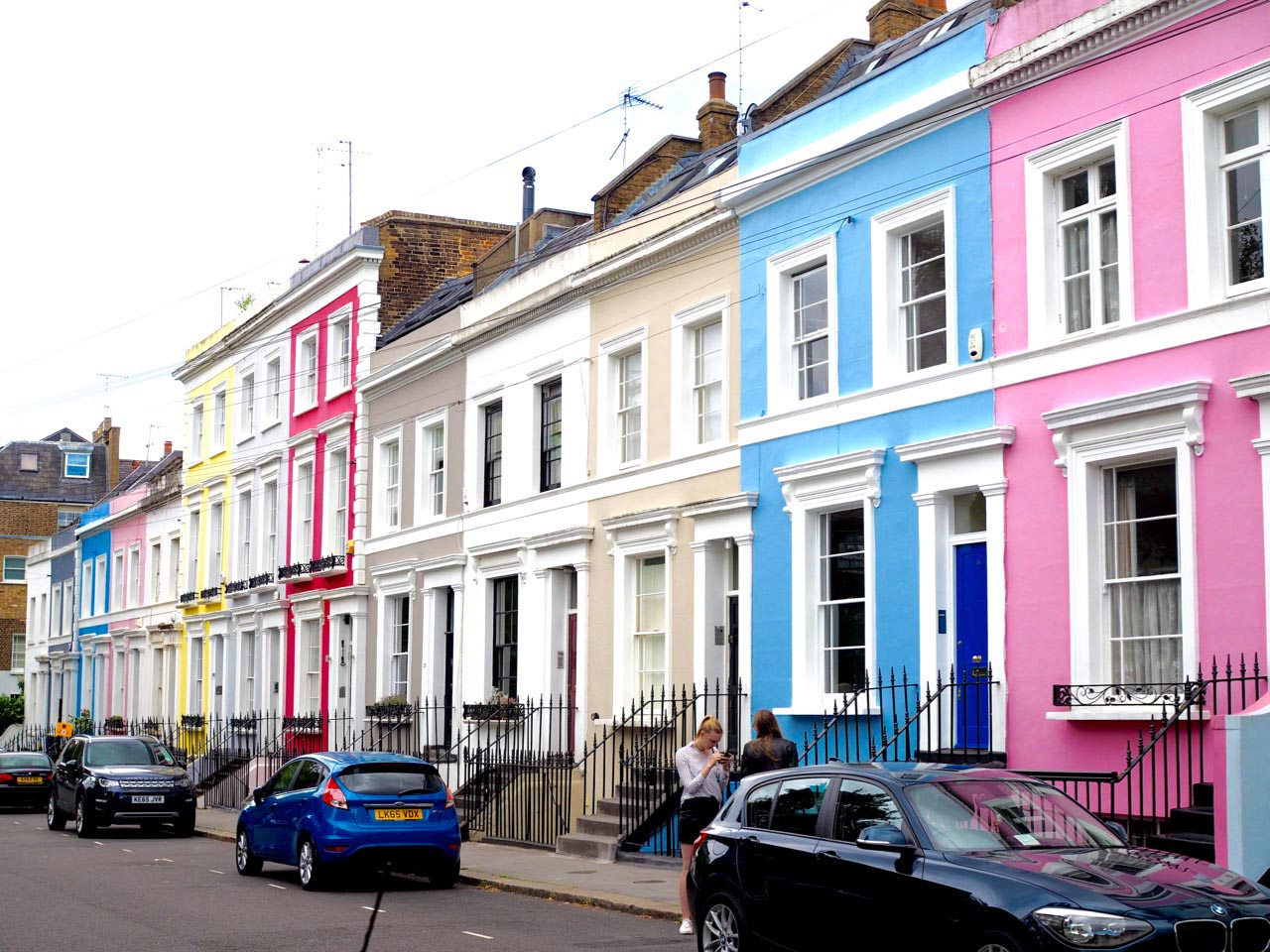
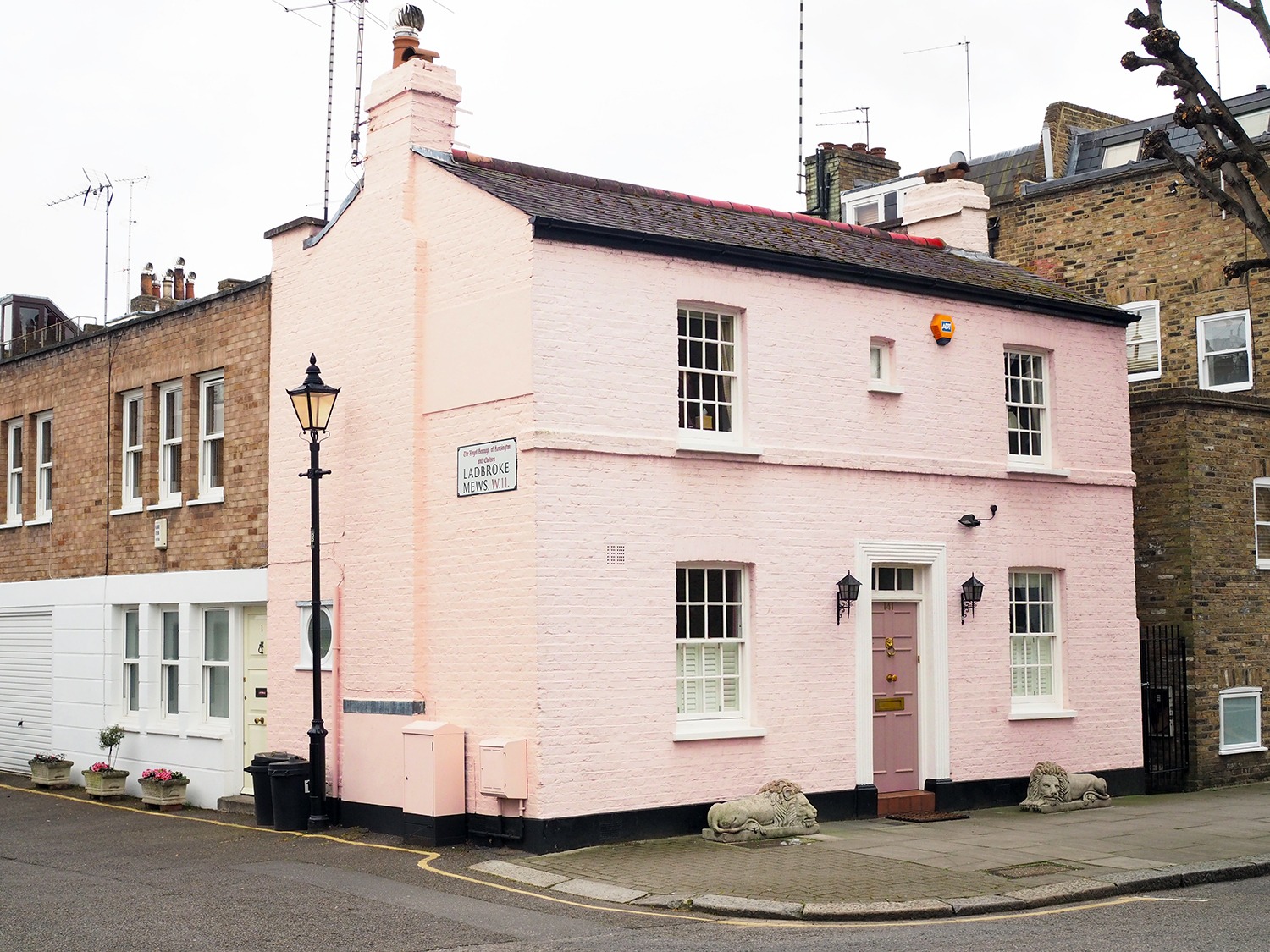
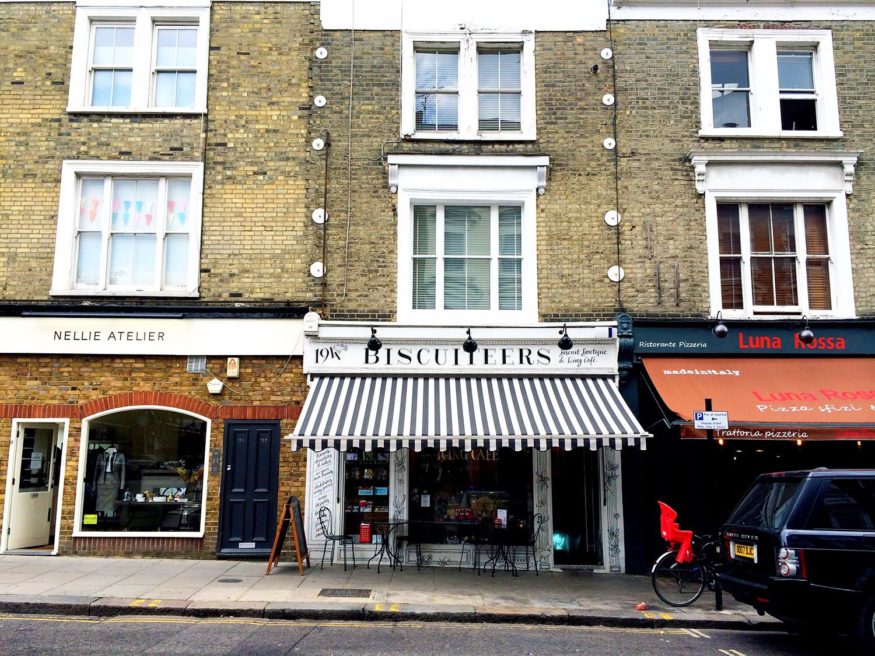
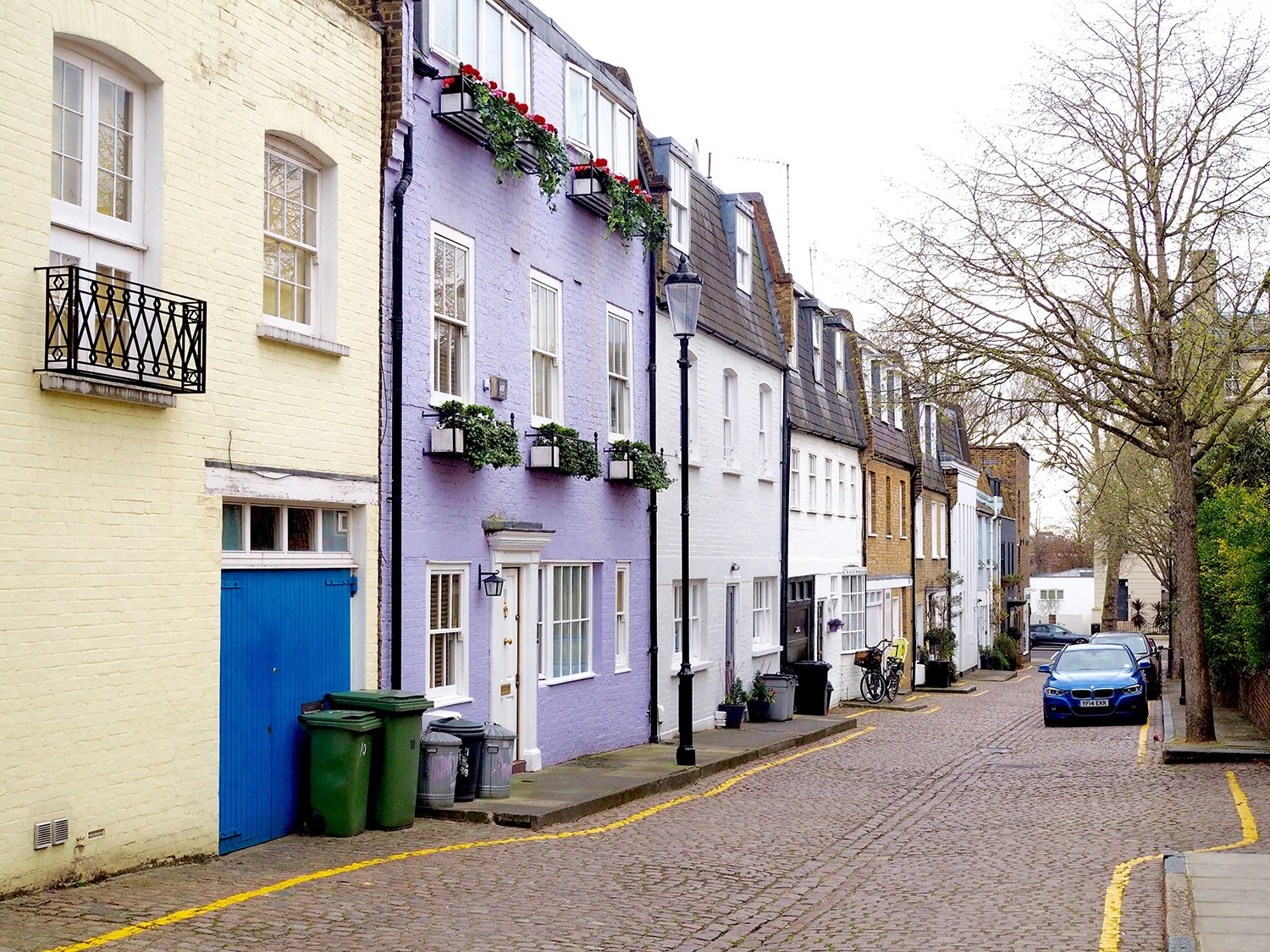
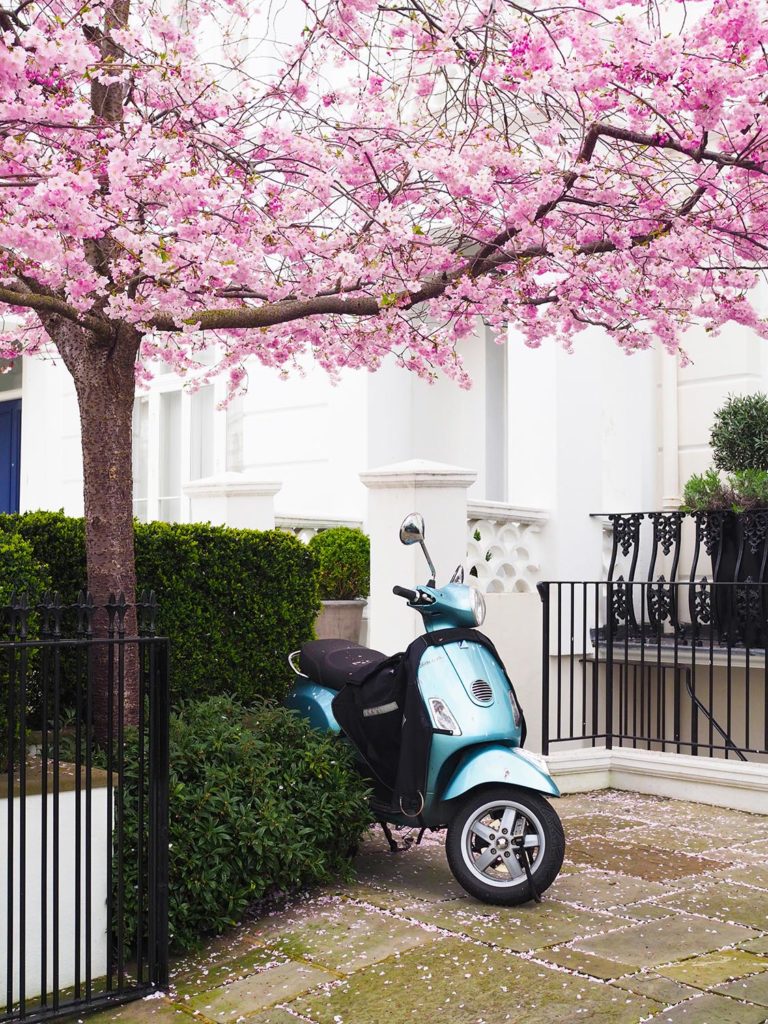
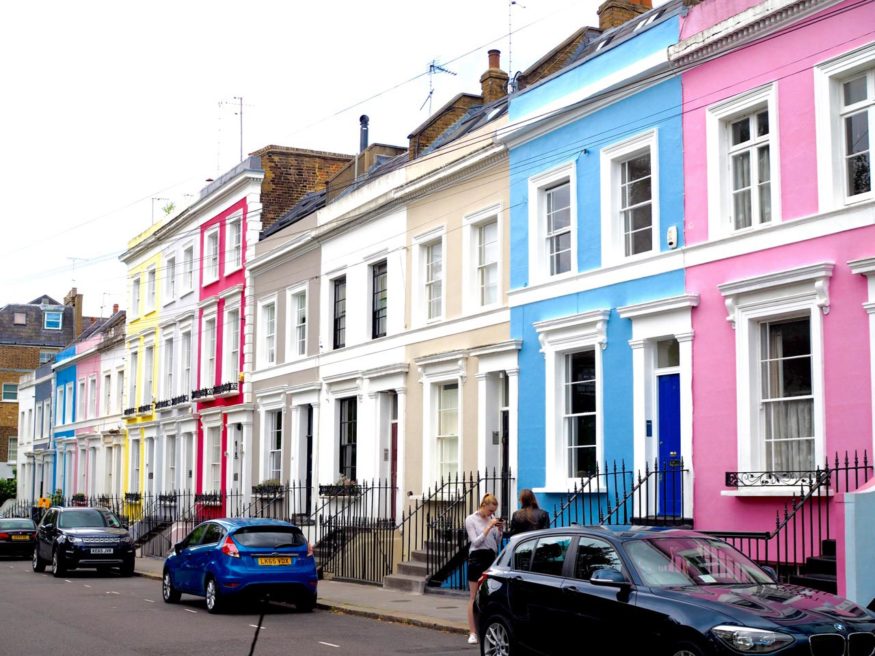
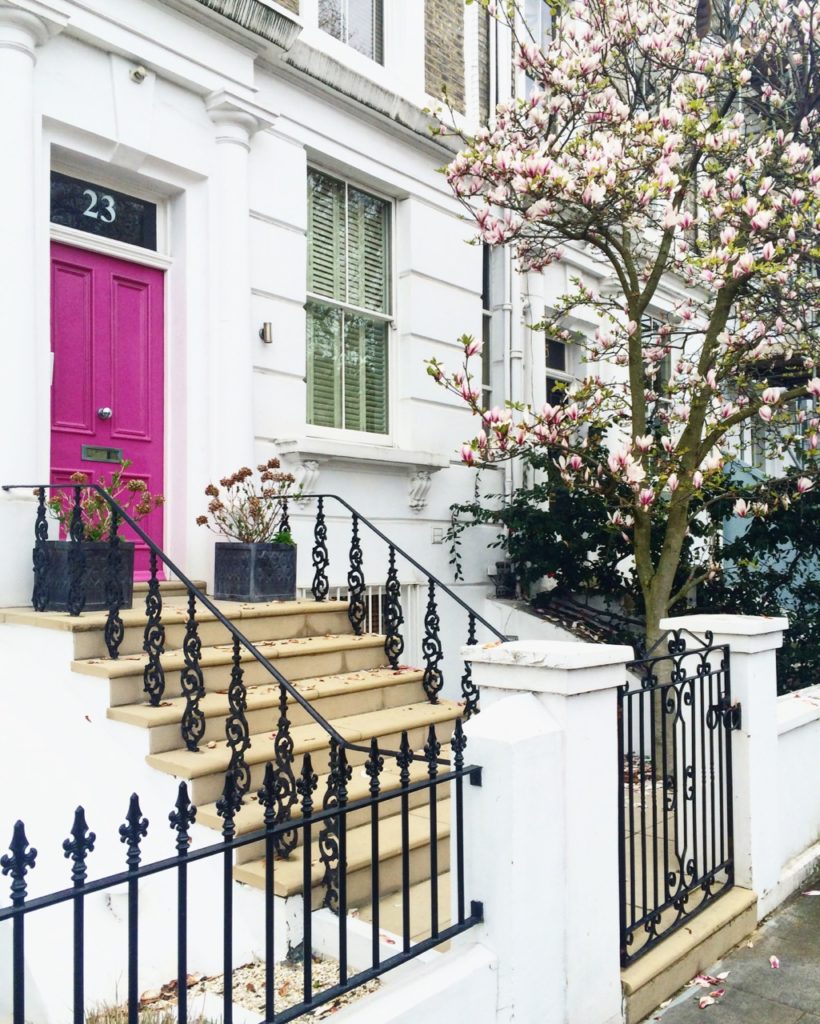
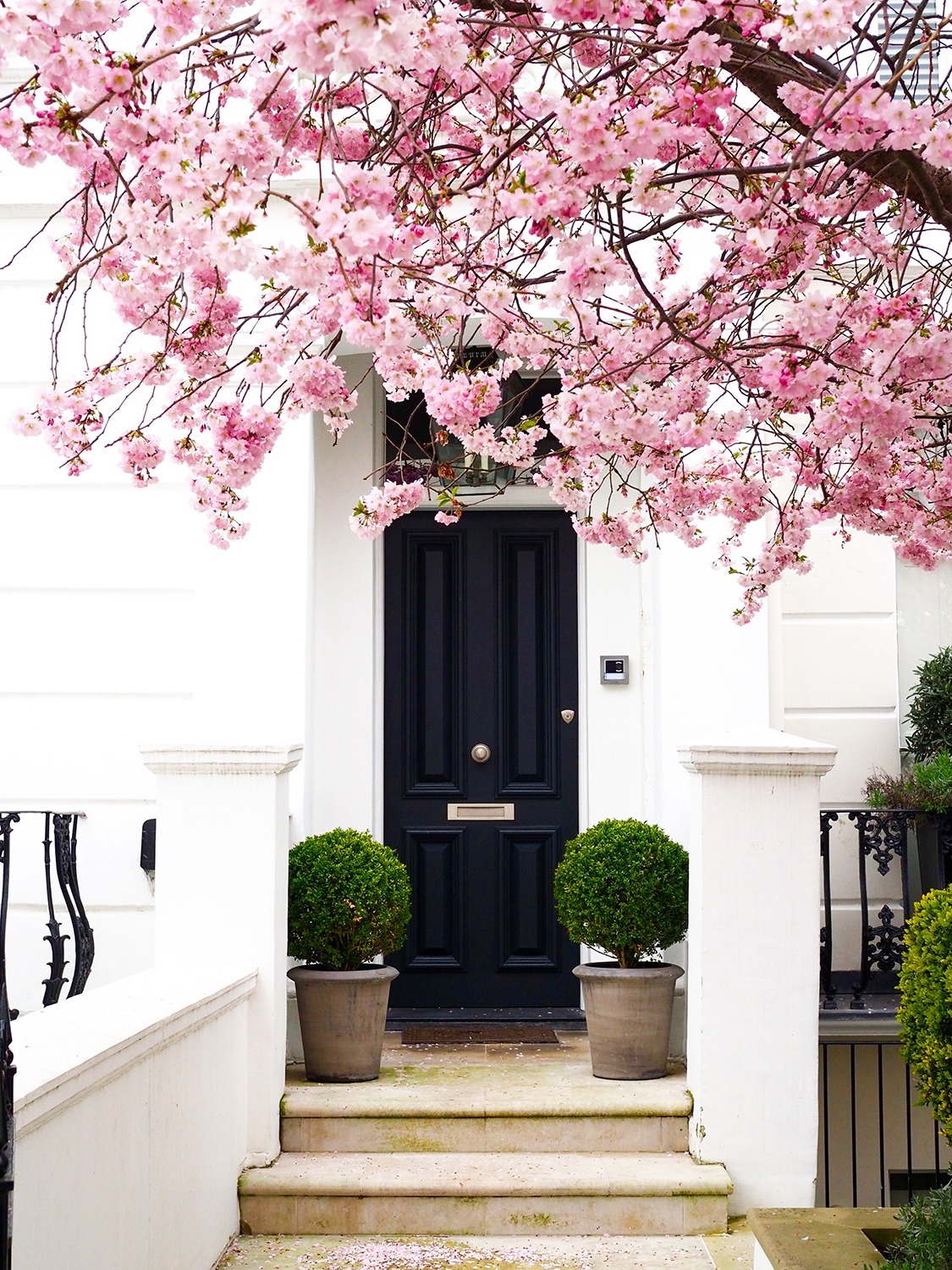
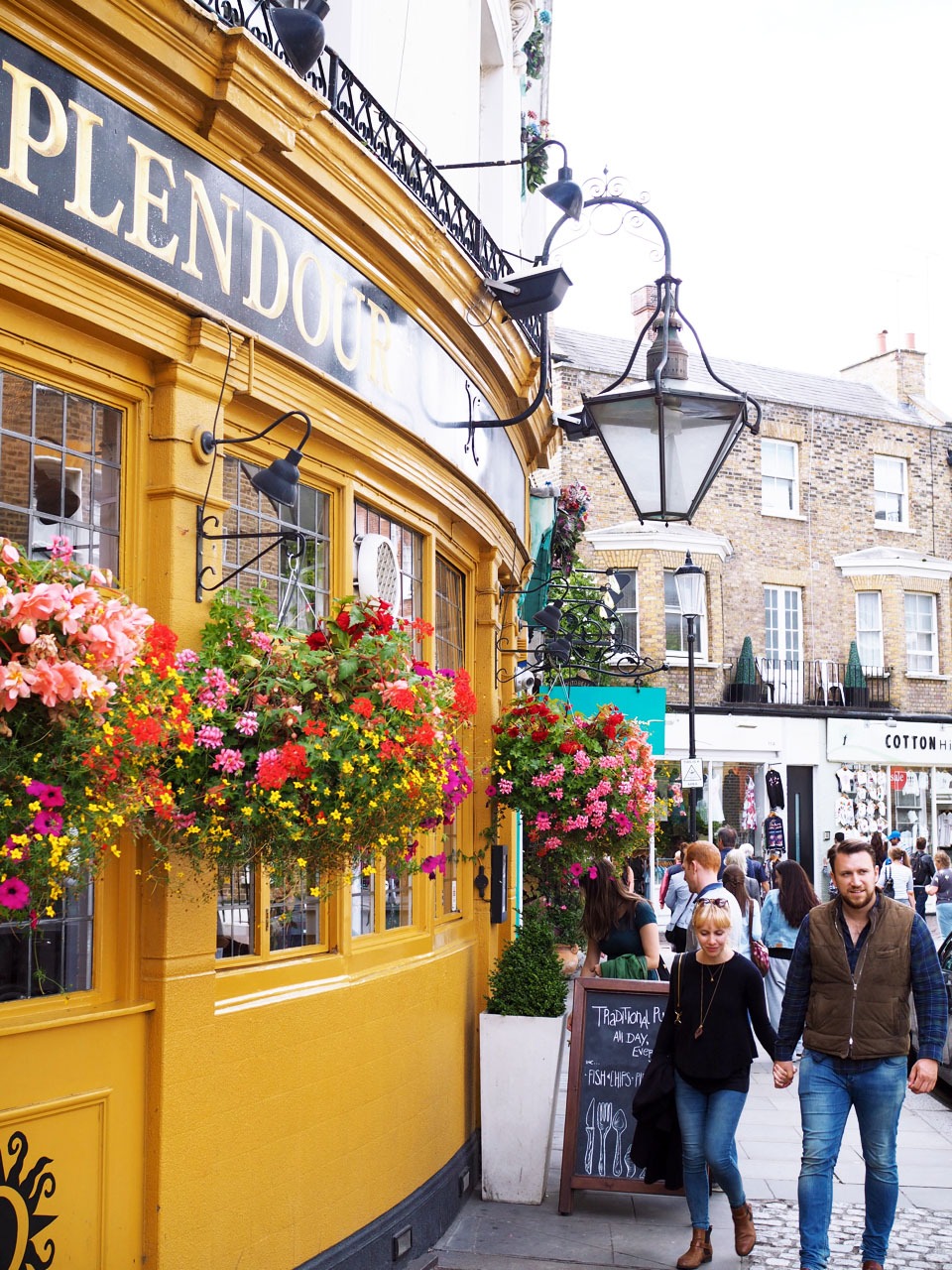
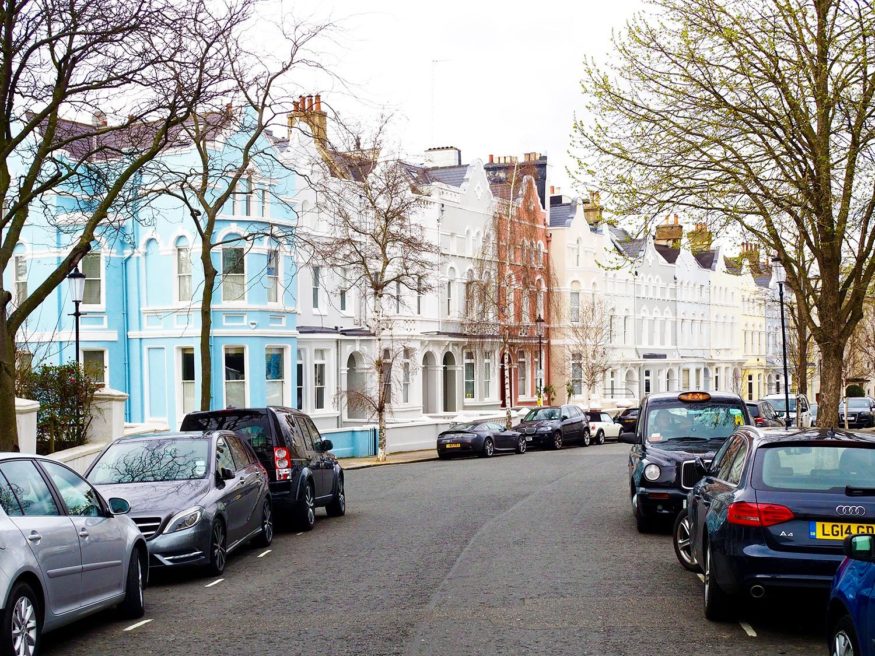
Call it Instagram paradise, Instagram porn, Instagrammable—call it whatever you like. If you’ve somehow never heard of Notting Hill or (gasp!) haven’t seen the movie, it’s that technicolour London neighbourhood you’ve no doubt spotted on your feed, where pastel townhouses cozy up to vintage cars and artsy coffees.
I only have a handful of happy places in the world, and Notting Hill is one of them. Granted, I know full well I could never afford to live in this affluent corner of the city—but I make a point of visiting every time I’m in London, phone in hand (anything for the ‘gram), no itinerary in sight. I let the moment take over, letting these idyllic streets lead me, secretly hoping I never find my way out.
+
LONDON travel tips
A walking itinerary for Notting Hill & Holland Park colourful houses
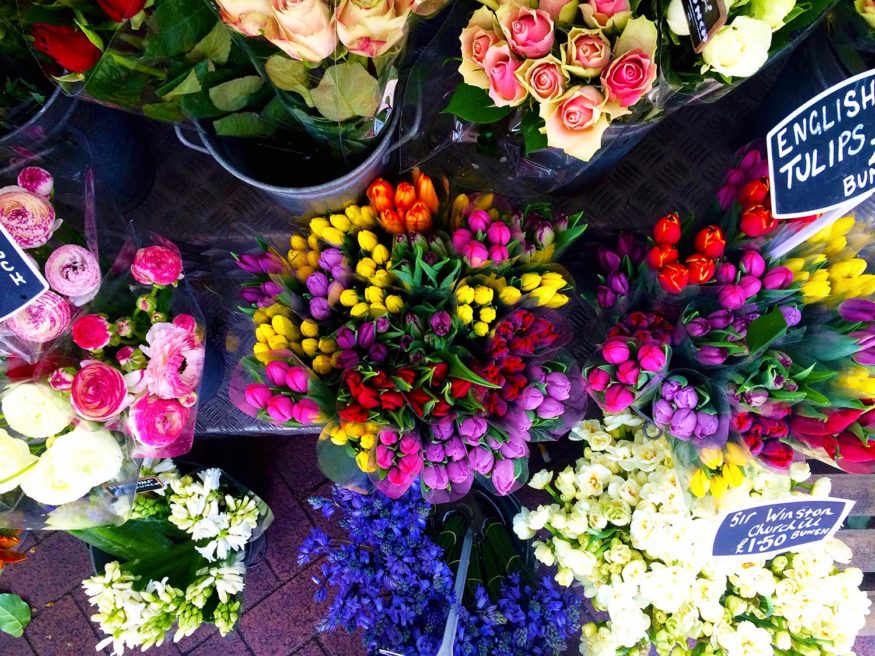
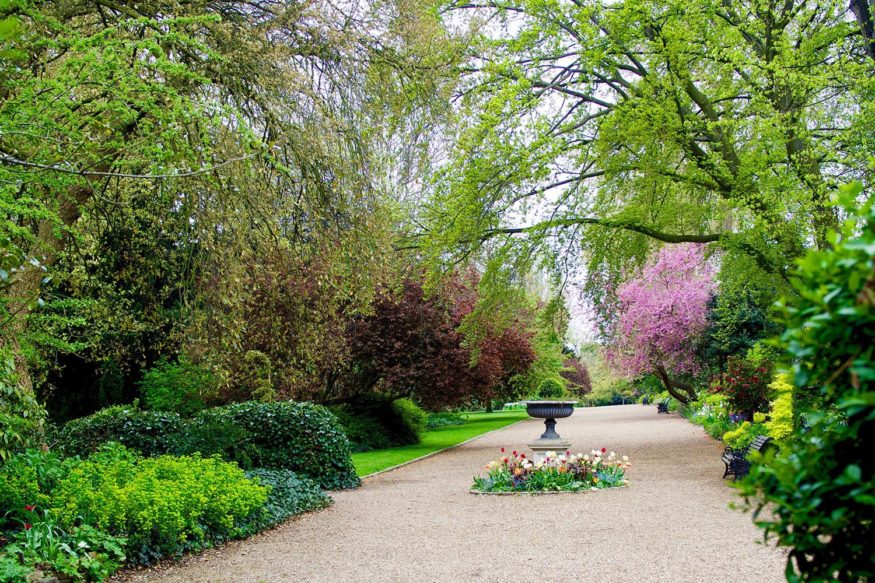
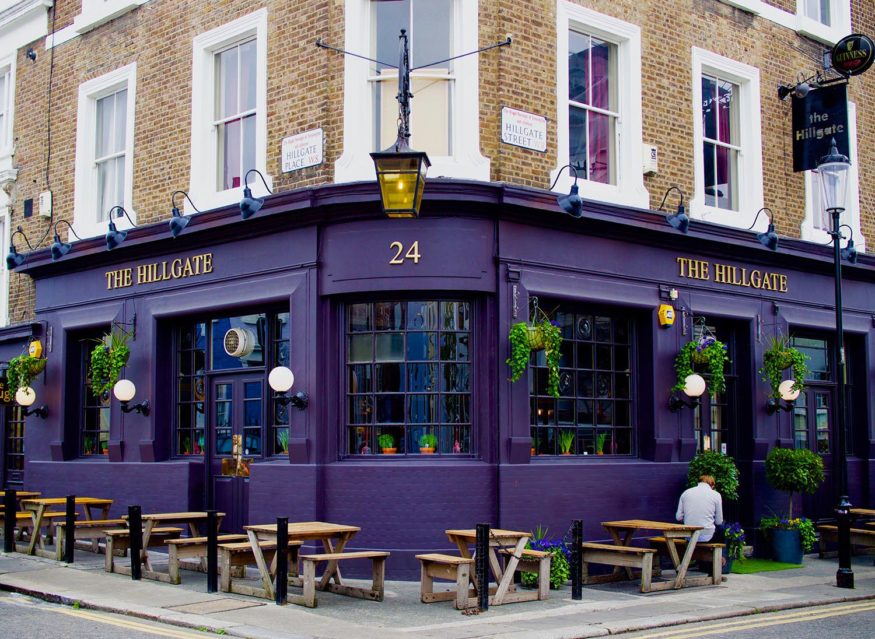
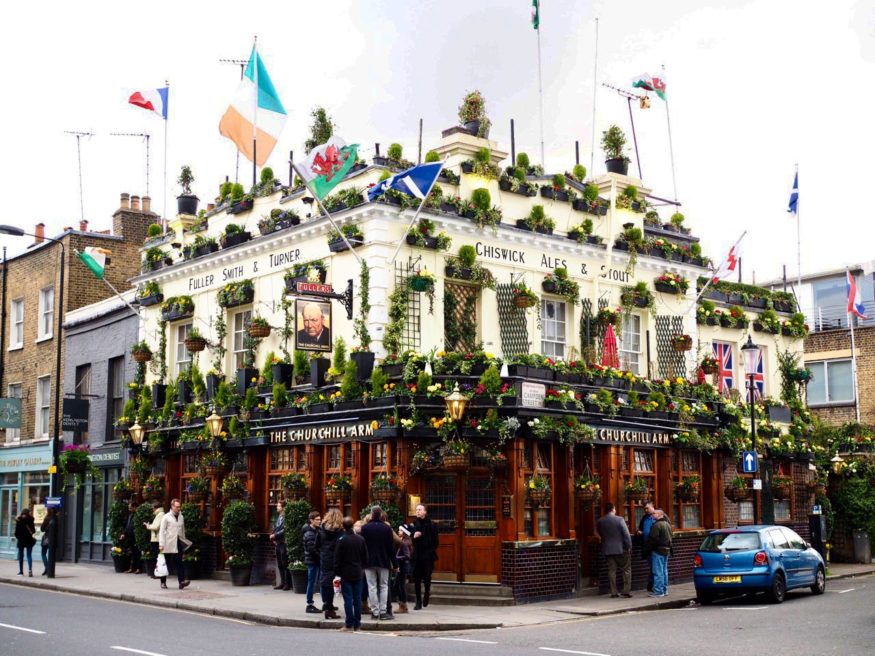
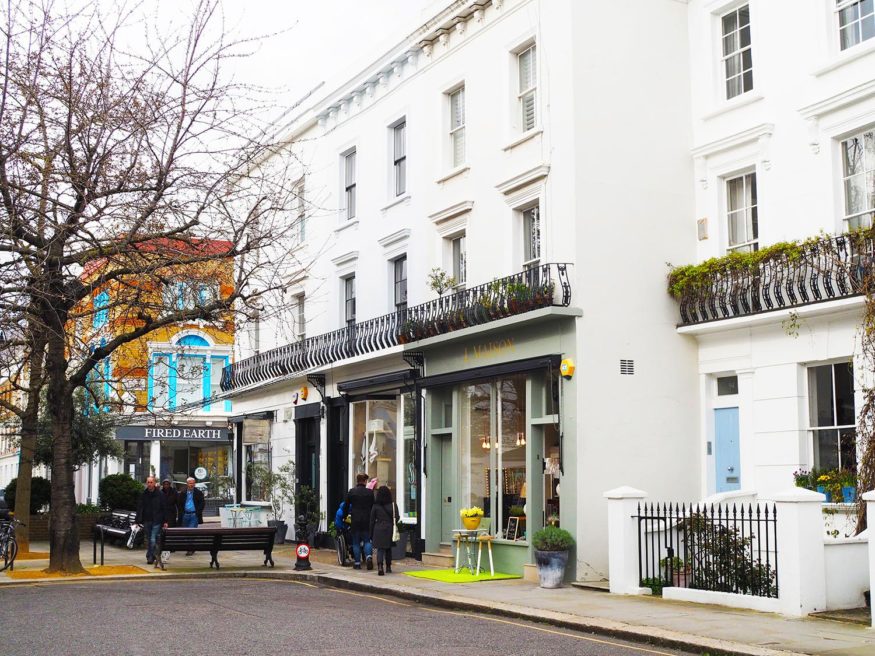
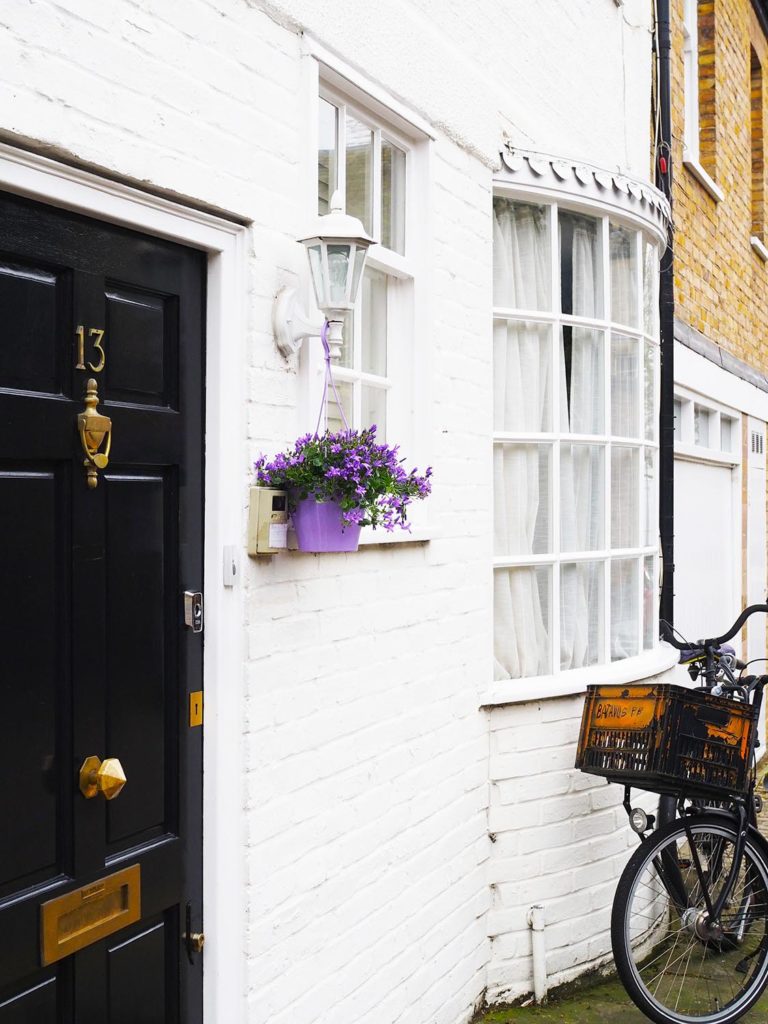
I’ve walked these streets a thousand times, so when I say they’re all photogenic and full of character, I mean it. This itinerary brings together the most colourful streets, the quaintest alleys, and the prettiest façades in the neighbourhood—it’s essentially a greatest-hits tour of Notting Hill.
The 5-kilometre loop could take you anywhere from one to six hours, depending on your pace—and how often you stop to say, “Wait, I need to Instagram this,” or ask your Instagram husband to move the rubbish bin. ;-)
Photos of Notting Hill
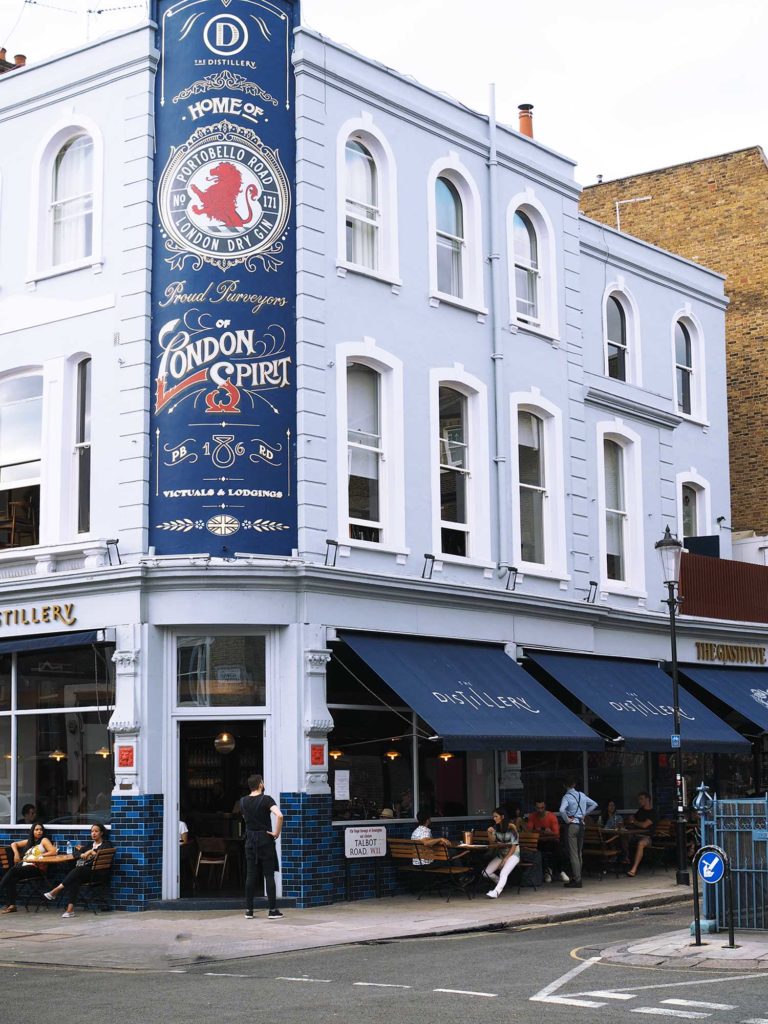
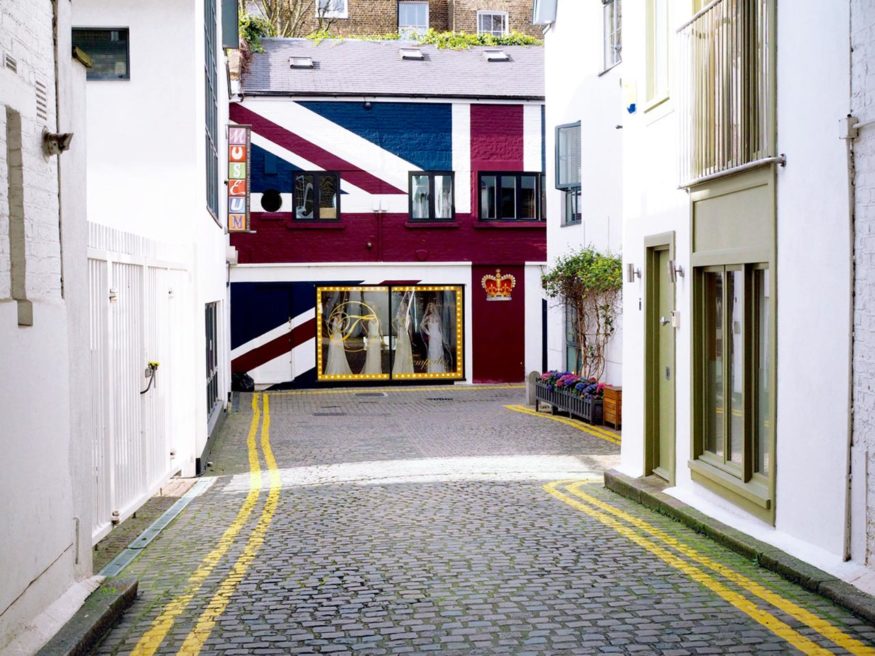
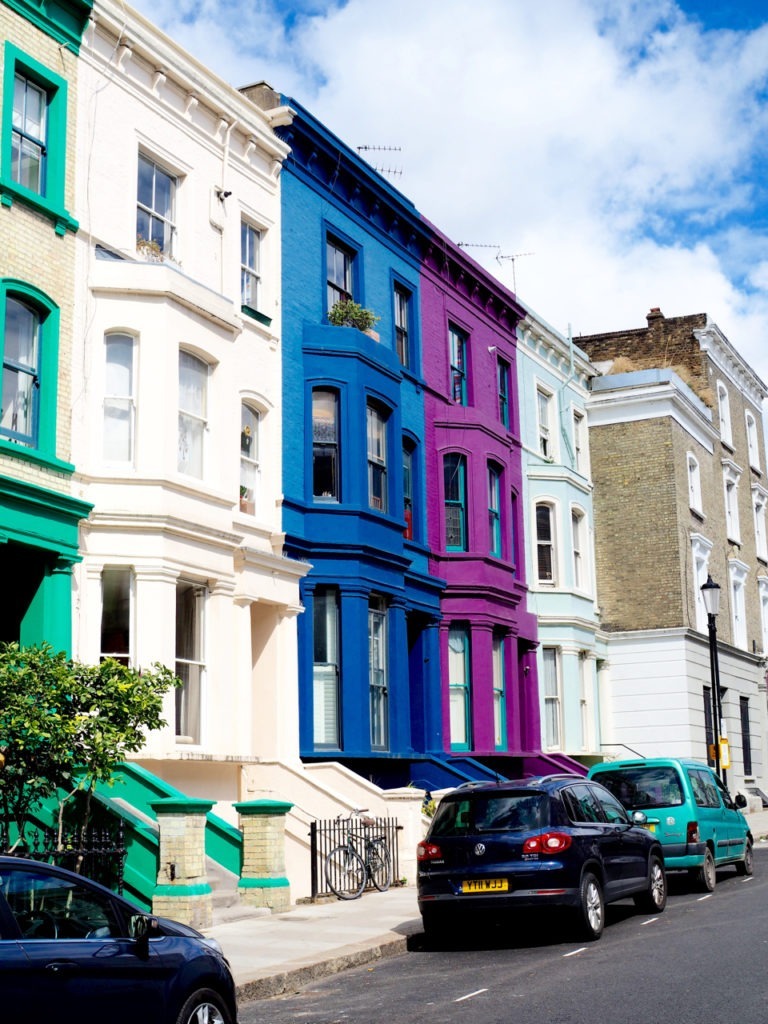
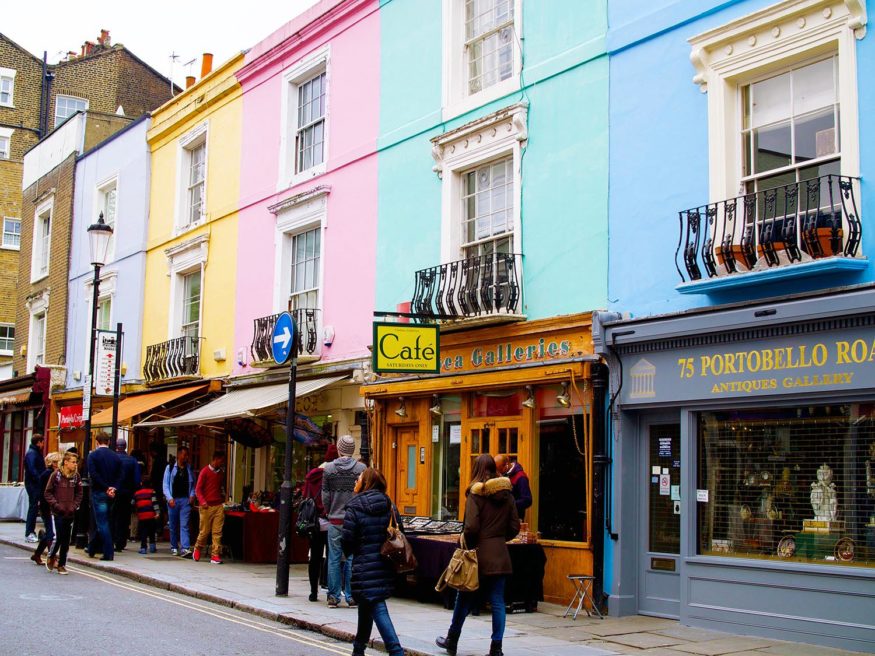
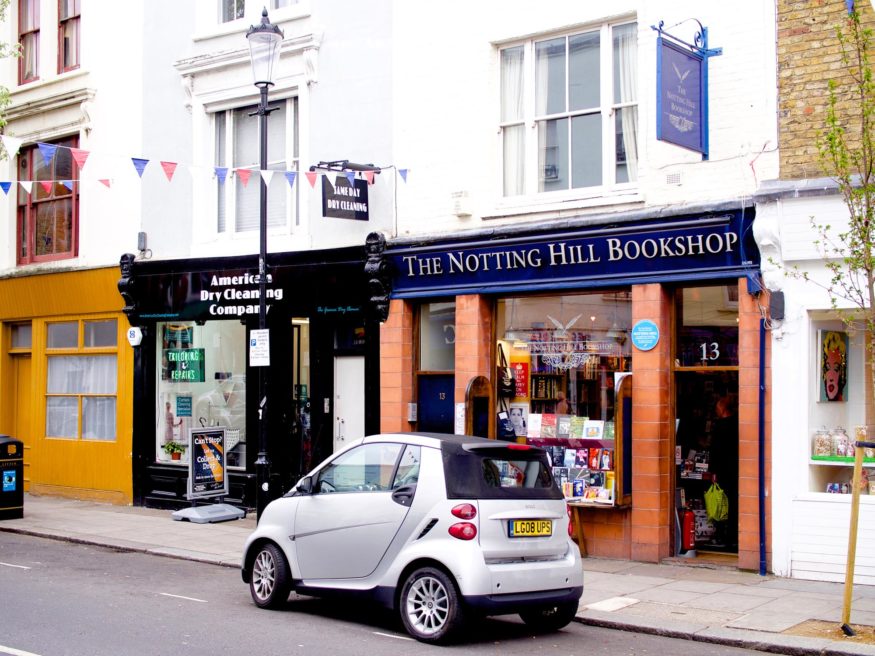
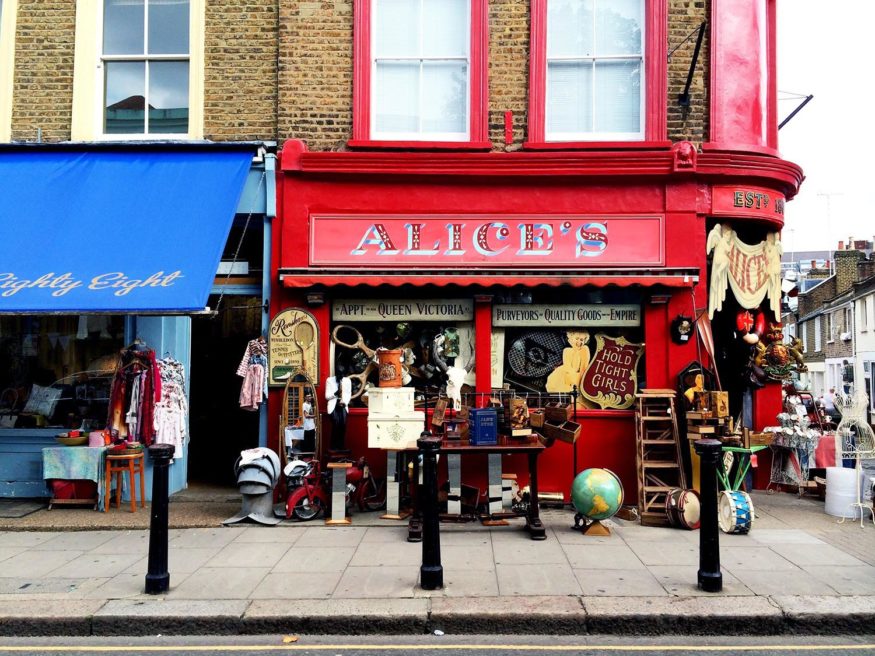
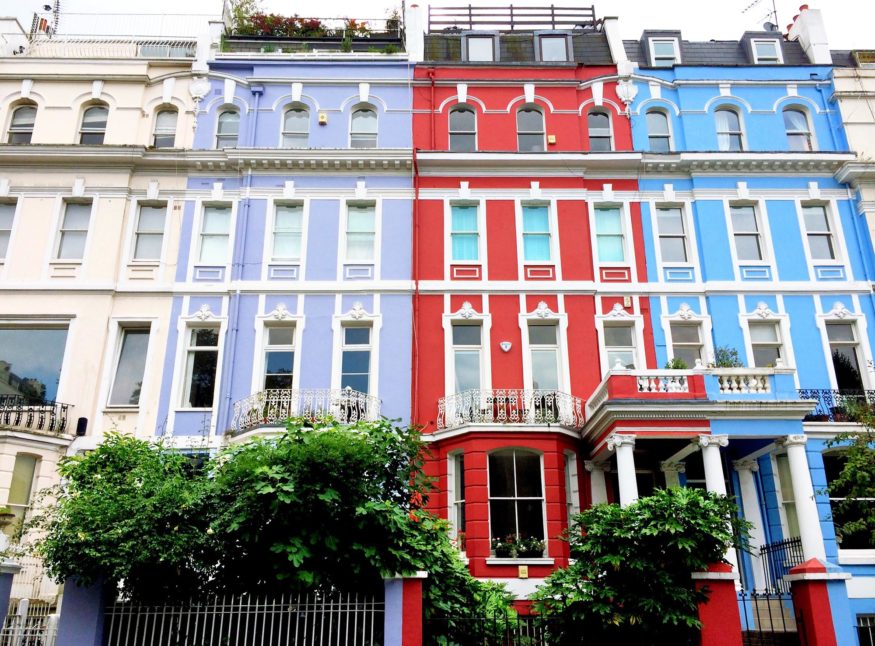
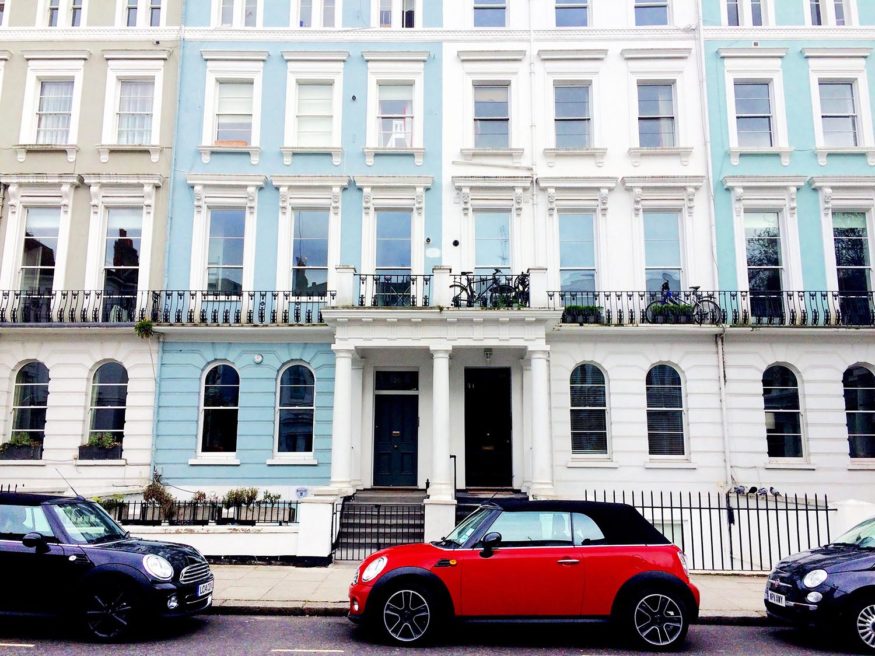
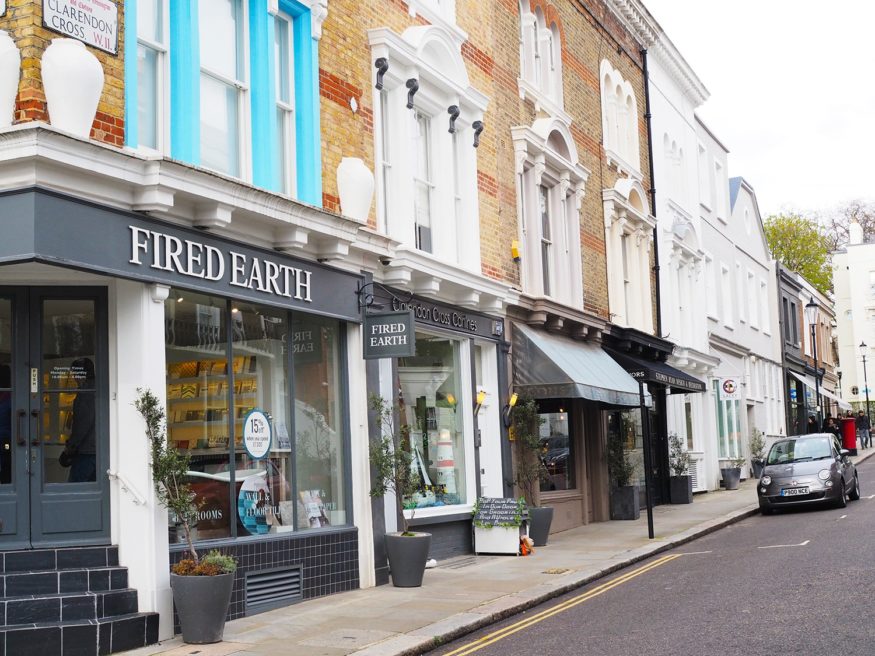
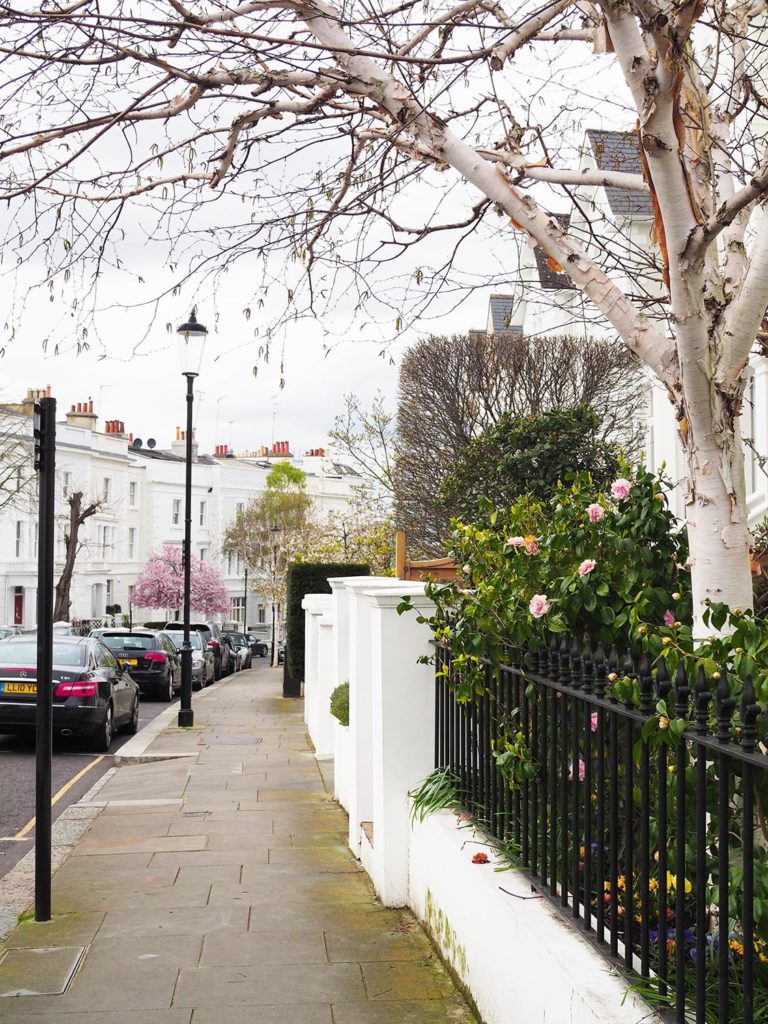
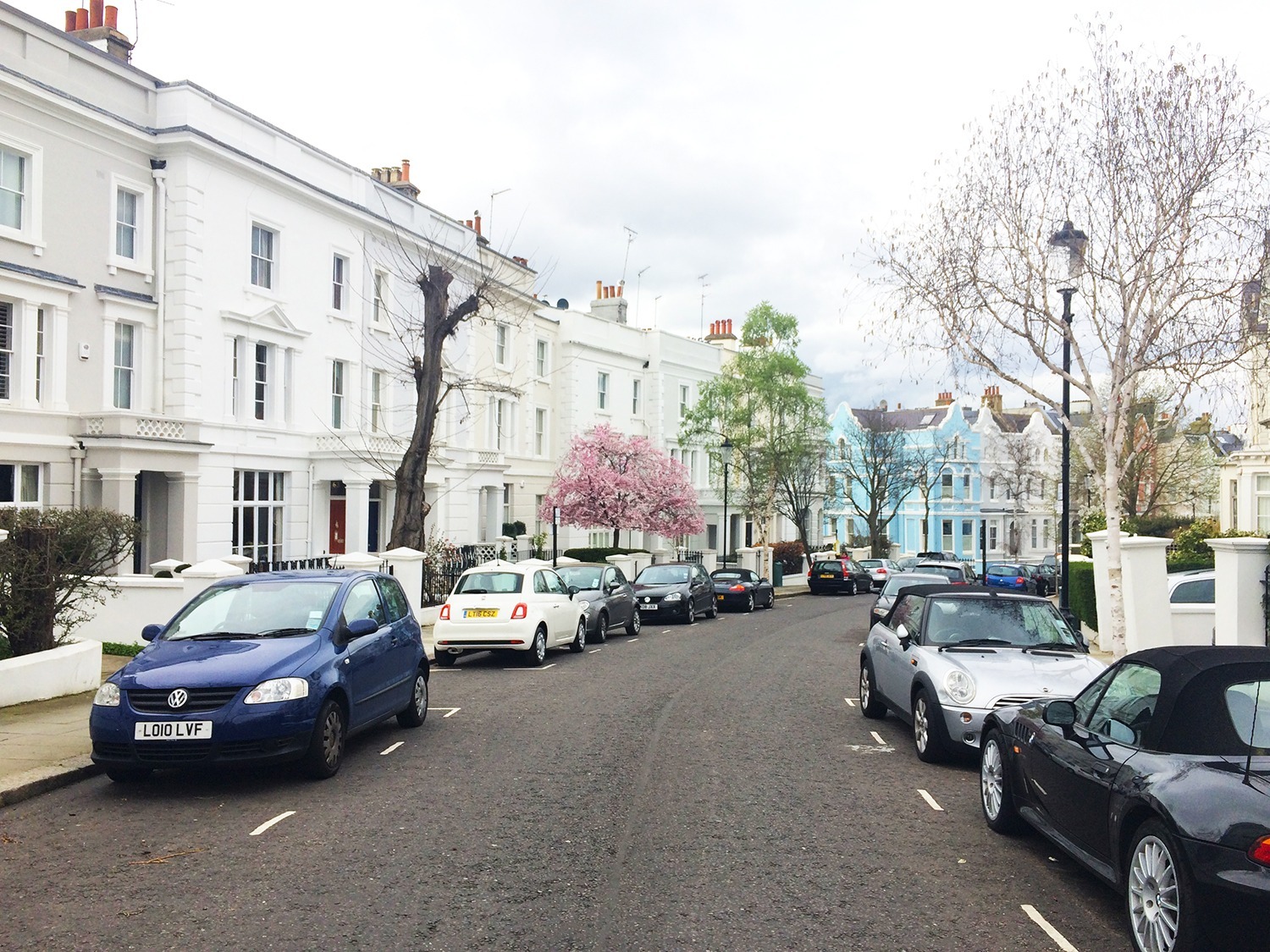
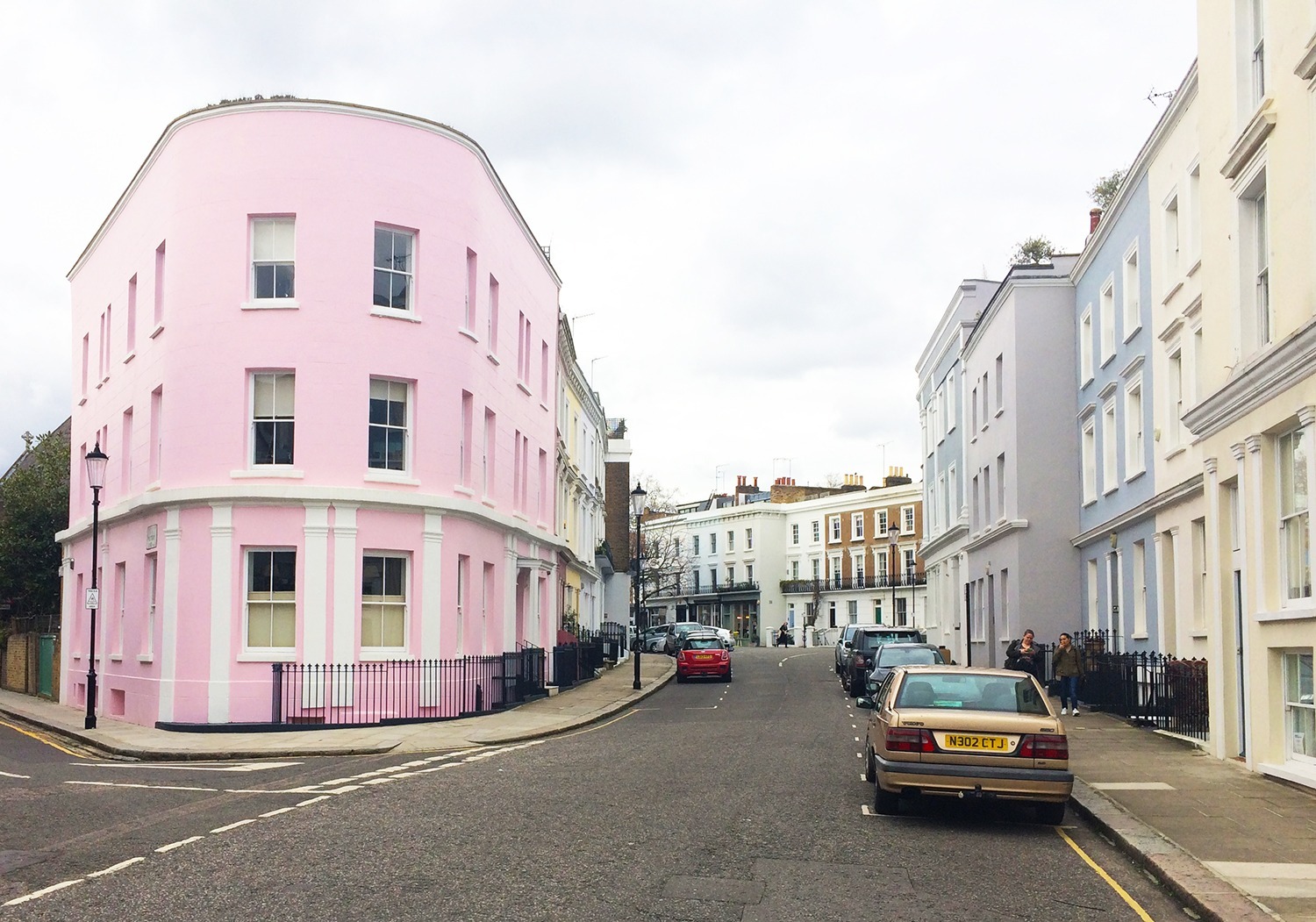
Notting Hill – a bit of history
Although it’s now one of London’s most affluent neighbourhoods—where townhouses typically sell for a modest £4–6 million—Notting Hill wasn’t always so polished. In fact, up until the late 1800s, it was a slum, home to piggeries, smoke-belching pottery kilns, and grim living conditions.
The area was largely populated by white, working-class locals of low social standing, where violence and unemployment were part of daily life. So when a wave of Caribbean immigrants arrived after World War II, tensions flared almost immediately.
Racial disparities and cultural differences gave rise to deep divisions. Discrimination was rampant: landlords often refused to rent to Black tenants—or charged them extortionate rates—and many pubs simply banned them outright. In May 1958, tensions boiled over into a violent three-day riot, during which Black residents were brutally attacked.
This is the context in which the now-iconic Notting Hill Carnival was born.
The event was launched as a celebration of Afro-Caribbean culture, designed to uplift the community and ease tensions, if only temporarily. Though Black locals were still excluded from many public spaces, that didn’t stop them from creating their own: a vibrant network of underground venues emerged, serving not just their community, but curious outsiders as well. Members of the Rolling Stones and Eric Clapton, for example, found themselves drawn to this gritty-yet-creative enclave.
By the mid-1980s, the violence had subsided, and new residents—attracted by the (then) low rents and roomy flats—began moving in around Portobello Road. But affordability didn’t last. Today, Notting Hill is a playground for the well-heeled, filled with designer boutiques, elegant cafés, and—of course—those beloved pastel façades we just can’t get enough of. ;-)
+
LONDON travel tips